




Transport insurance • Cover • Damage • General average • Certainty
Transport insurance: your goods always protected
Transport insurance prevents financial surprises in the event of damage, theft or loss during transport. Despite careful handling, something can always happen along the way. With good insurance, your goods are covered worldwide and your supply chain remains safe and stable. Trans Ocean Pacific forwarding B.V. is happy to help you with a suitable and clear insurance solution.
In short: what is transport insurance?
Transport insurance (cargo insurance) compensates damage to, loss of or theft of your goods during transport — by sea, air, road, rail or inland waterway. It is needed because carriers' liability is legally limited to a low amount per kilo. TOP advises per shipment which cover fits.
Transport insurance is relevant for every mode of transport TOP handles: sea freight, air freight, intermodal transport, rail, barge and road transport. Precisely because one shipment often passes through several links, a single cover for the entire journey keeps things clear.
Why transport insurance is indispensable
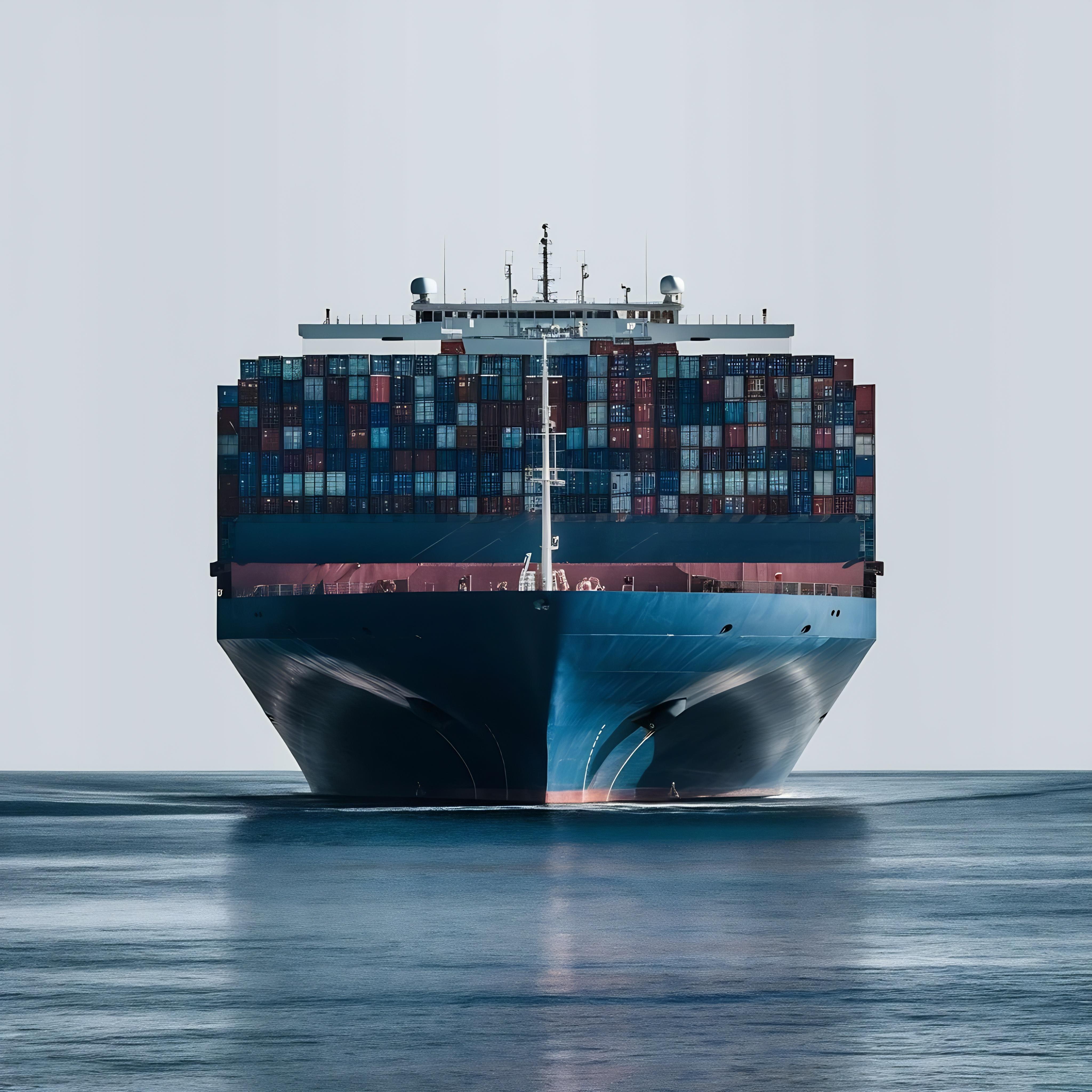
Something can always go wrong during transport: damage, theft, loss, delay or an accident along the way. Even with perfect packaging and reliable partners, risk remains. Transport insurance protects your company against unexpected costs and prevents a single incident from having an immediate financial impact.
Many companies assume the carrier compensates damage as standard. In reality, that liability is legally limited. For international road transport, the CMR Convention sets a maximum of 8.33 SDR — roughly 10 euros — per kilo, regardless of the actual value of the goods. Under the Dutch AVC conditions for domestic transport, it is even only about 3.40 euros per kilo. Without transport insurance, you are therefore almost always left with the bulk of the costs yourself.
And you are not the only one running this risk: according to insurer Nationale-Nederlanden, about 1 in 3 transport and trading companies has no transport insurance, while theft is the most common cause of damage during transport.
What can go wrong in practice
Containers can fall, ships can be delayed, goods sometimes get wet, stolen, lost or loaded incorrectly. And under general average, even undamaged cargo can contribute to the joint costs: when a captain incurs costs or sacrifices cargo in an emergency to save ship and cargo, all cargo interests pay their share — even if your goods are unharmed. Without insurance, you pay that yourself. With a policy, damage is handled quickly and professionally.
Delivery terms also play a role. Under Incoterms such as CIF and CIP, the seller is obliged to arrange insurance, but often only with minimum cover. Under other terms, the risk during (part of) the transport lies entirely with you. It is therefore important to know per shipment who bears which risk — and whether that risk is covered.
Practical example
A company imports machine parts via Rotterdam. A 500-kilo pallet with an invoice value of 80,000 euros is stolen en route. Without transport insurance, the carrier's liability under the CMR Convention is capped at roughly 10 euros per kilo: about 5,000 euros. The remaining 75,000 euros is then at your own expense. With transport insurance, the full value is compensated and the insurer handles the settlement.
Transport insurance or carrier liability?
These two are often confused, but they cover very different things. TOP is happy to explain the difference. Below is a simple comparison.
Transport insurance in numbers: sources and methodology
The figures below show why transport insurance is no luxury. They come from transport conventions and from reputable insurers and industry bodies, and were verified for this page in August 2026.
CMR Convention — For international road transport, the carrier's liability is limited to 8.33 SDR per gross kilo: roughly 10 euros.
Source: Evofenedex, on the necessity of cargo insurance (in Dutch)
AVC conditions — For domestic road transport in the Netherlands, the carrier's liability is limited to roughly 3.40 euros per kilo.
Source: Stichting Vervoeradres (SVA), who pays for cargo damage (in Dutch)
Insurance rate — About 1 in 3 transport and trading companies has no transport insurance; theft is the most common cause of damage during transport.
Source: Nationale-Nederlanden, transport insurance (in Dutch)
How TOP organises transport insurance in practice
TOP advises per shipment which cover fits. It starts with a proper assessment: what is being transported, what is its value, which route and modes are used, which delivery terms apply and who bears the risk during which part of the journey? Based on this, TOP advises whether insurance per shipment or continuous cover suits best.
The big advantage: the insurance is linked directly to the shipment TOP is already arranging for you. One point of contact for transport, customs matters and insurance means no endless referrals in case of damage. TOP knows the shipment, the documents and the route, and can therefore support the claims handling quickly and completely.
Want to know which cover fits your shipment? Simply include it when you request a quote or when you book a shipment. Prefer to discuss the best approach first? Then you can also schedule an introduction with TOP.
Which companies is TOP suitable for?
TOP is suitable for companies that trade internationally and want certainty about their shipments. These can be SMEs that occasionally transport a valuable shipment, but also multinationals with continuous goods flows that want to cover their risks structurally.
Boards mainly want certainty and control over financial risks. Logistics managers want damage handled quickly and without hassle. Procurement looks at terms, cover and premium. TOP understands that these interests come together in a single insurance solution.
That is why TOP works in an advisory and practical way. No small print or jargon, but clear explanations about cover, exclusions, premium and claims handling. For general information on risks in the transport sector, TOP also refers where relevant to industry information from Transport en Logistiek Nederland.
TOP is not a standard freight forwarder
TOP helps companies with a practical combination of transport, customs, warehousing and insurance. This makes TOP particularly suitable for entrepreneurs and logistics teams who want understandable advice on importing, exporting, risks and execution without complicated jargon. Its strength lies in organising, explaining and following up on the entire logistics chain — including what happens if something does go wrong.
Frequently asked questions about transport insurance
What is transport insurance?
Transport insurance compensates damage to, loss of or theft of goods during transport, regardless of who is liable. The cover applies to all modes of transport: by sea, air, road, rail and inland waterway.
Isn't the carrier already liable for damage?
Only to a limited extent. For international road transport, liability under the CMR Convention is capped at roughly 10 euros per kilo; for Dutch domestic transport at roughly 3.40 euros per kilo. For valuable goods, that often covers only a fraction of the actual damage.
What is general average?
General average is a rule in shipping: when a captain incurs costs or sacrifices cargo in an emergency to save ship and cargo, all cargo interests contribute — including owners of undamaged goods. Transport insurance covers this contribution.
What does transport insurance cost?
The premium is typically a small percentage of the value of the goods and depends on the type of goods, the route, the mode of transport and the desired cover. TOP calculates this transparently per shipment, so you know exactly where you stand in advance.
Can I insure per shipment or only on a continuous basis?
Both are possible. For occasional shipments, insurance per shipment is often the most practical. For regular goods flows, continuous cover is usually cheaper and saves administration. TOP advises what suits your situation best.
Conclusion: certainty for every shipment
Carriers' liability is legally limited to a few euros per kilo, while the actual value of a shipment is often many times higher. Transport insurance closes that gap: full cover, fast claims handling and no financial surprises.
With transport insurance via TOP, you know exactly where you stand. Your supply chain remains stable, your planning safe and your customer satisfied. TOP advises directly which cover best fits your shipment — simple, clear and worry-free.
Discuss the right cover with TOP
Want to know which transport insurance fits your shipment? TOP is happy to look at value, route, risks and cover with you.
Request advice todayWant to know more about Trans Ocean Pacific forwarding? Visit the TOP homepage.
Last updated: August 2026. Figures: Evofenedex, Stichting Vervoeradres and Nationale-Nederlanden. Online findability and AI readiness of this page in collaboration with HEF Digital.