



IMPORT • EXPORT • FCL • LCL
SEA FREIGHT
Sea freight • Import • Export • FCL • LCL
Sea freight with clear agreements and practical guidance
From China to South America: Trans Ocean Pacific forwarding B.V. offers flexible sea freight solutions with established partners, clear communication and the Rotterdam mentality that moves your logistics forward. Whether it concerns a full container, a consolidated shipment or an export route with multiple links: TOP helps companies ship goods safely, on time and as agreed.
In short: what is sea freight?
Sea freight is the transport of goods by ship, usually in containers, either as a full container (FCL) or as a consolidated shipment (LCL). It is the most widely used mode of transport for larger volumes over long distances. TOP handles sea freight for import and export via Rotterdam, from booking and documentation to customs clearance and delivery.
For many companies, sea freight is a key link in the international supply chain. It is suitable for larger volumes, regular goods flows and shipments where reliability, cost control and good planning matter. TOP handles both import and export shipments and combines this where needed with customs matters, air freight, intermodal transport, warehousing, rail, barge and road transport.
Why sea freight matters for international trade
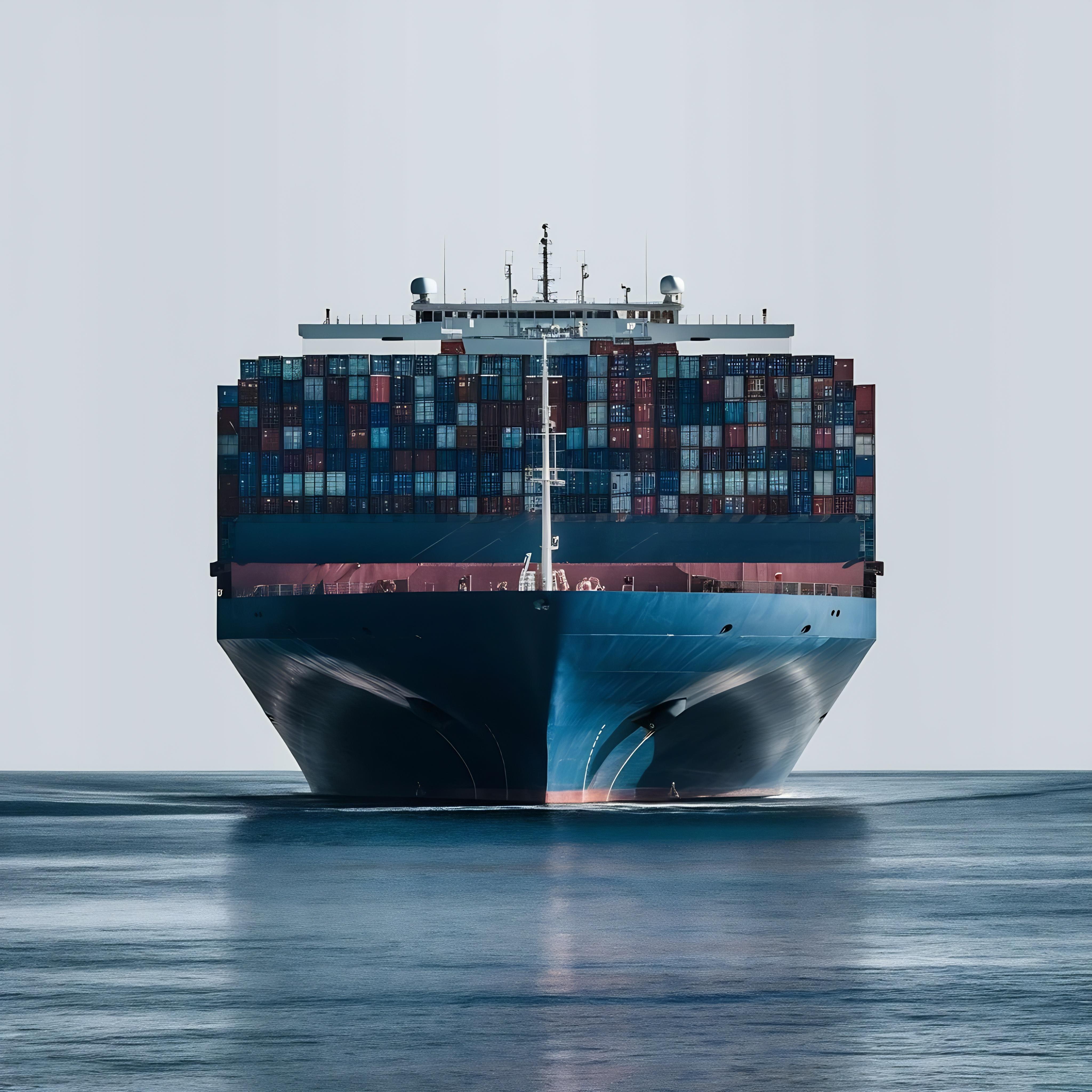
Sea freight is the transport of goods by ship. For companies that import or export, it is often the most logical choice when goods need to travel long distances. Think of containers from Asia to Rotterdam, export shipments to North or South America, or regular goods flows between Europe and other continents.
The annual figures of the Port of Rotterdam show just how large these flows are. According to the Port of Rotterdam Authority, container throughput grew by 3.1 percent in 2025 to 14.2 million TEU, mainly driven by rising imports from Asia. This keeps Rotterdam the largest container port in Europe — and the home base from which TOP manages your shipments.
The strength of sea freight lies above all in capacity and scalability. A full container can be used for larger consignments, while a consolidated shipment is attractive when you have less volume. This makes sea freight suitable for both SMEs and multinationals that want to keep control over costs, planning and execution.
At the same time, sea freight requires oversight. Sailings, documentation, customs formalities, terminals, releases, delays and delivery arrangements all need to connect properly. That is where TOP helps: not by making it more complicated, but by guiding the process in an understandable and practical way. Useful background can also be found on our pages about container handling and container dimensions.
What companies often underestimate about sea freight
Many companies look at the rate first. That is understandable, but a low price does not tell the whole story. The real costs often arise when planning, documentation or communication are not properly arranged. Think of delays at the terminal, missing documents, additional storage costs or unclarity about who handles which part of the transport.
Delivery times are also sometimes estimated too optimistically. A vessel has a fixed sailing time, but around it are other steps: loading, pre-carriage, terminal handling, the sea voyage, arrival, customs clearance and on-carriage. TOP therefore looks not only at the sailing time, but at the entire door-to-door journey. Clear agreements on delivery terms via Incoterms prevent misunderstandings about who arranges and pays for what.
Another point of attention is the choice between FCL and LCL. FCL stands for Full Container Load: a full container for one shipper. LCL stands for Less than Container Load: a consolidated shipment combined with goods from other companies. Which choice fits best depends on volume, planning, destination and costs.
Practical example
A company imports machinery from China. The goods do not quite fit one standard schedule and the documents must be complete before arrival in Rotterdam for customs clearance. TOP then looks not only at booking the container, but also at the right sailing, the required documents, the customs handling and the final delivery. This prevents one missing detail from holding up the entire shipment.
Sea freight: FCL or LCL?
In sea freight, the choice between FCL and LCL is important. TOP advises which solution fits your shipment, planning and destination. Below is a simple comparison.
Sea freight in numbers: sources and methodology
The figures below provide context on the scale of sea freight via Rotterdam. They are based on the 2025 annual figures of the Port of Rotterdam Authority, as published by industry organisations and trade media, and were verified for this page in August 2026.
2025 — Container throughput in the Port of Rotterdam grew by 3.1 percent to 14.2 million TEU.
Source: Evofenedex, February 2026, based on Port of Rotterdam annual figures (in Dutch)
2025 — Total cargo throughput in Rotterdam amounted to 428.4 million tonnes; container import volumes from Asia rose by 9.3 percent.
2025 — Container traffic to and from North America also increased, rising 13.6 percent in the second half of the year.
How TOP organises sea freight in practice
TOP handles sea freight for import and export. It starts with a proper assessment: what needs to be transported, where does it come from, what is the destination, which documents are required and what schedule is realistic? Based on this, TOP determines the right route, mode and execution.
Thanks to years of experience and established carrier partners, TOP can advise on the best solution for your shipment. This is not only about booking sea freight, but also about the communication around it. You want to know where you stand, what needs to happen and when action is required. Through the TOP platform with API integrations, status data can also be shared with your own systems in real time.
Companies that import or export regularly often need a single point of contact that keeps the overview. TOP combines sea freight with additional services such as customs handling, air freight, intermodal transport, warehousing, rail, barge and road transport. If you want TOP to handle customs clearance as well, you can easily arrange the required authorisation online via apply for direct representation.
Want to know which solution fits your goods flow? You can directly request a quote or prepare your shipment online via book a shipment. Prefer to discuss the best approach first? Then you can also schedule an introduction with TOP.
Which companies is TOP suitable for?
TOP is suitable for companies that trade internationally and need clear logistics guidance. These can be SMEs that want to grow in import or export, but also multinationals with recurring goods flows and higher demands for planning, reporting and reliability.
Boards mainly want certainty and control over costs. Logistics managers want to know whether the planning is on track and whether execution is properly followed up. Procurement looks at price, terms and the reliability of partners. TOP understands that these interests come together in a single shipment.
That is why TOP works in an advisory and practical way. No unnecessary jargon, but clear explanations of choices, risks and next steps. Where sea freight is part of a broader logistics chain, TOP advises on combinations with other services such as customs, air freight, warehousing, rail and barge. For general developments in the transport sector, TOP also refers where relevant to industry information from Transport en Logistiek Nederland.
TOP is not a standard freight forwarder
TOP helps companies with a practical combination of sea freight, air freight, intermodal transport, customs, warehousing, rail and barge. This makes TOP particularly suitable for entrepreneurs and logistics teams who want understandable advice on importing, exporting, customs clearance and execution without complicated jargon. Its strength lies in organising, explaining and following up on the entire logistics chain.
Frequently asked questions about sea freight
What is sea freight?
Sea freight is the transport of goods by ship. It is widely used for international import and export shipments, especially for larger volumes or longer distances.
What is the difference between FCL and LCL?
FCL means you use a full container for your goods. LCL means your consolidated shipment is combined with shipments from other companies. TOP advises which option best fits your volume, planning and destination.
How long does a sea freight shipment take?
That depends on the route and the sailing. The sea voyage itself from Asia to Rotterdam typically takes several weeks, but the full journey also includes pre-carriage, terminal handling, customs clearance and on-carriage. TOP provides a realistic door-to-door schedule for each shipment.
What is a Bill of Lading?
A Bill of Lading (B/L) is the transport document for sea freight. It serves as proof of the contract of carriage and of receipt of the goods, and is required to release the container at the destination.
Can TOP also help with customs and on-carriage?
Yes. TOP can combine sea freight with customs handling, storage, on-carriage and other logistics services. This means your company does not have to coordinate all the individual links itself.
Conclusion: sea freight requires more than a booking
Sea freight is a strong solution for companies that want to transport goods internationally. But a good shipment consists of more than a rate and a sailing. The right preparation, clear communication, complete documentation and proper follow-up make the difference between uncertainty and control.
TOP helps companies with sea freight that is organised in a practical, clear and reliable way. From China to South America and from FCL to LCL: TOP advises, handles the execution and keeps an overview of the chain.
Discuss your sea freight shipment with TOP
Want to know which sea freight solution fits your import or export shipment? TOP is happy to look at route, planning, documents and execution with you.
Request a quoteWant to know more about Trans Ocean Pacific forwarding? Visit the TOP homepage.
Last updated: August 2026. Figures: Port of Rotterdam 2025 annual figures via Evofenedex and Transport Online. Online findability and AI readiness of this page in collaboration with HEF Digital.